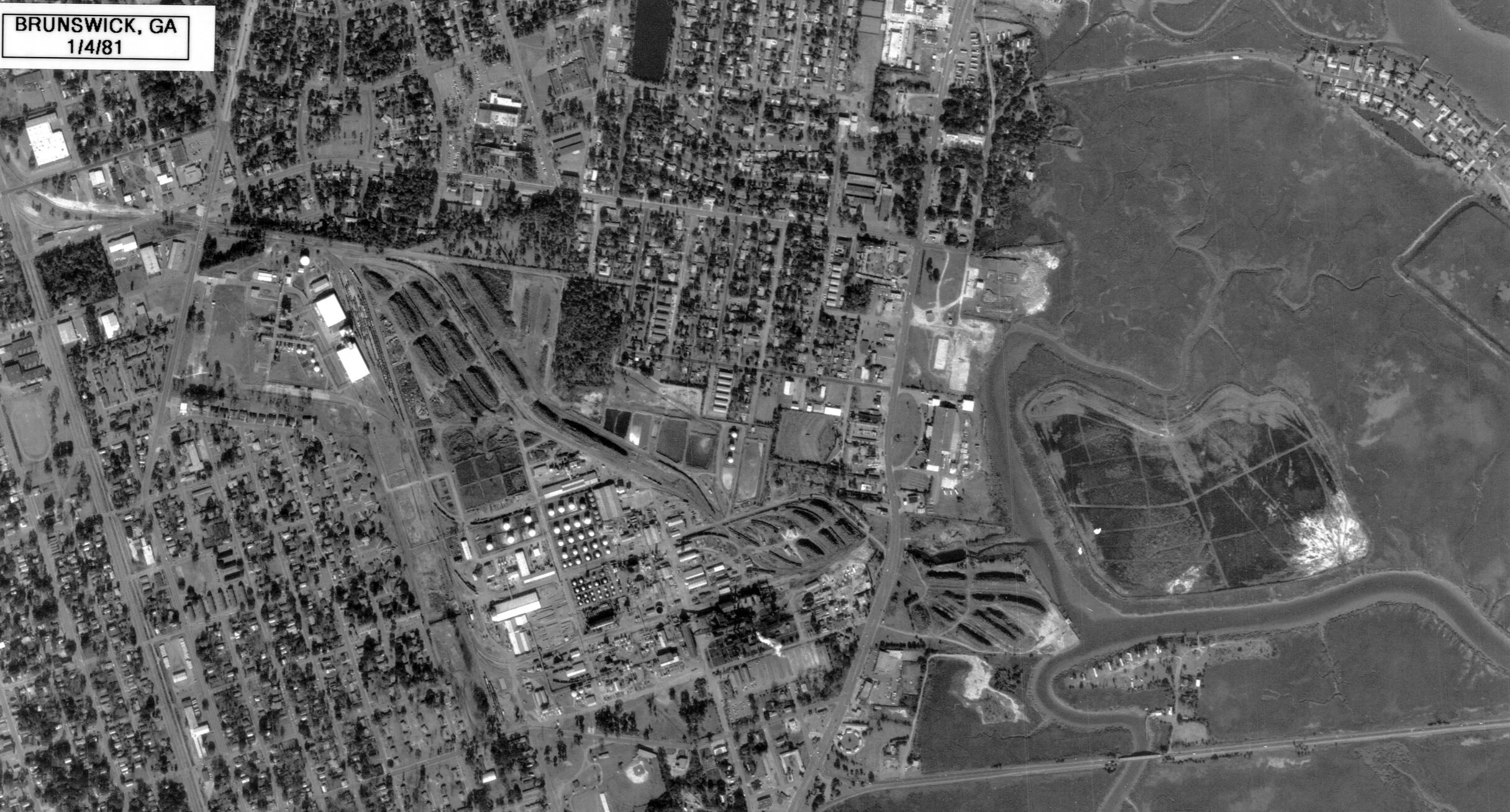
OUR HISTORY IN BRUNSWICK

Hercules technician uses a reactor flask in the laboratory, circa 1960.
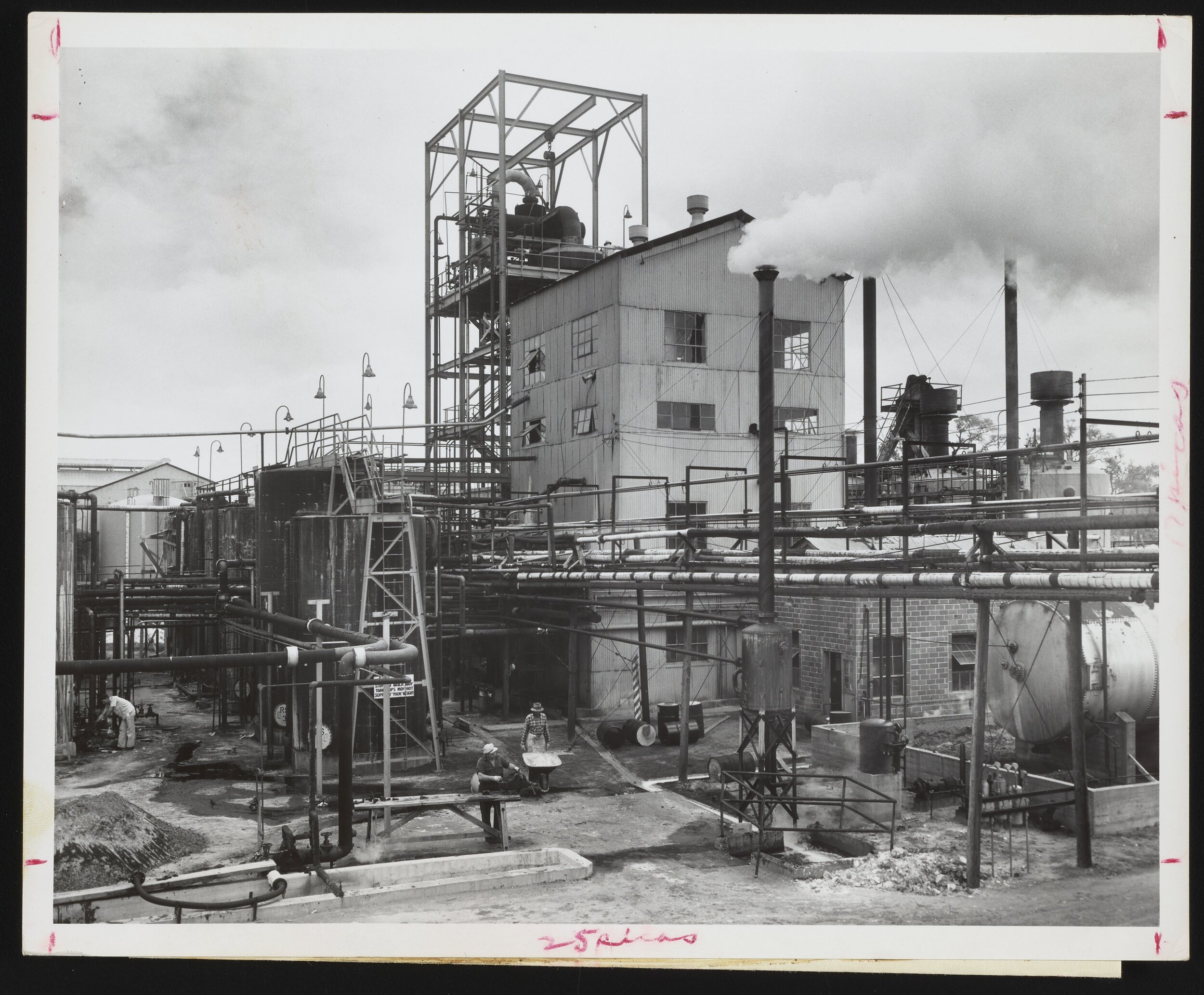

Hercules Brunswick facility, circa 1960.
For more than a century, Hercules has been a part of the fabric of Brunswick, Georgia’s coastal community. The Brunswick facility, located on Glynn Avenue near the causeway bridge, began operations in 1911. With the exception of a pause during the Great Depression, it continued for more than a century. In its earliest era, the site produced rosin and other derivative products from salvaged pine tree stumps, part of the naval stores industry that defined this region’s economy for generations.
As state and federal environmental regulations developed over the following decades, Hercules’ approach to the site evolved alongside them and much has been accomplished to address the environmental legacy of these historical operations.
A NEW CHAPTER
Generations of Brunswick people worked at the Brunswick facility when it was operated by Hercules, and then by Pinova from 2010 through 2023. Even after its operations ceased, Hercules has been conducting environmental remediation and restoration at three sites in Brunswick. A timeline summarizing the history of operations and remediation at these three sites is below.
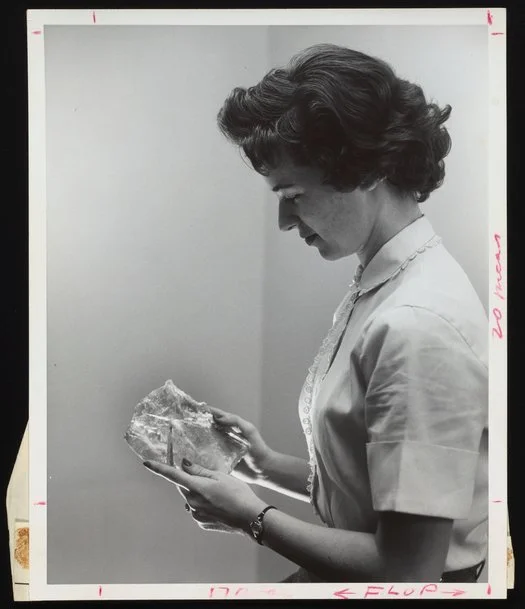
Office machine operator, Pat Bodie examining a rosin sample (1960)
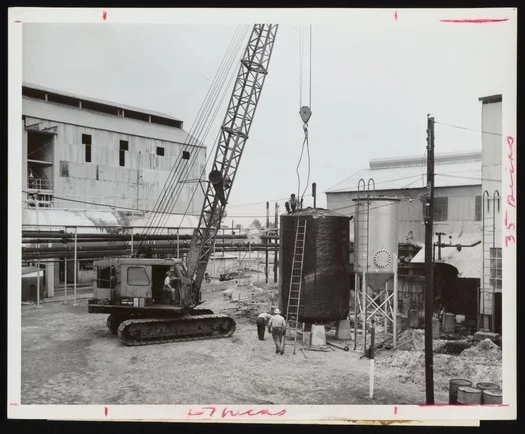
Instillation of a heat treatment tank (1960)

Dredging sediment, Terry Creek (1999)

Sediment removal, Terry Creek (1999)

Collecting field samples, (2001)
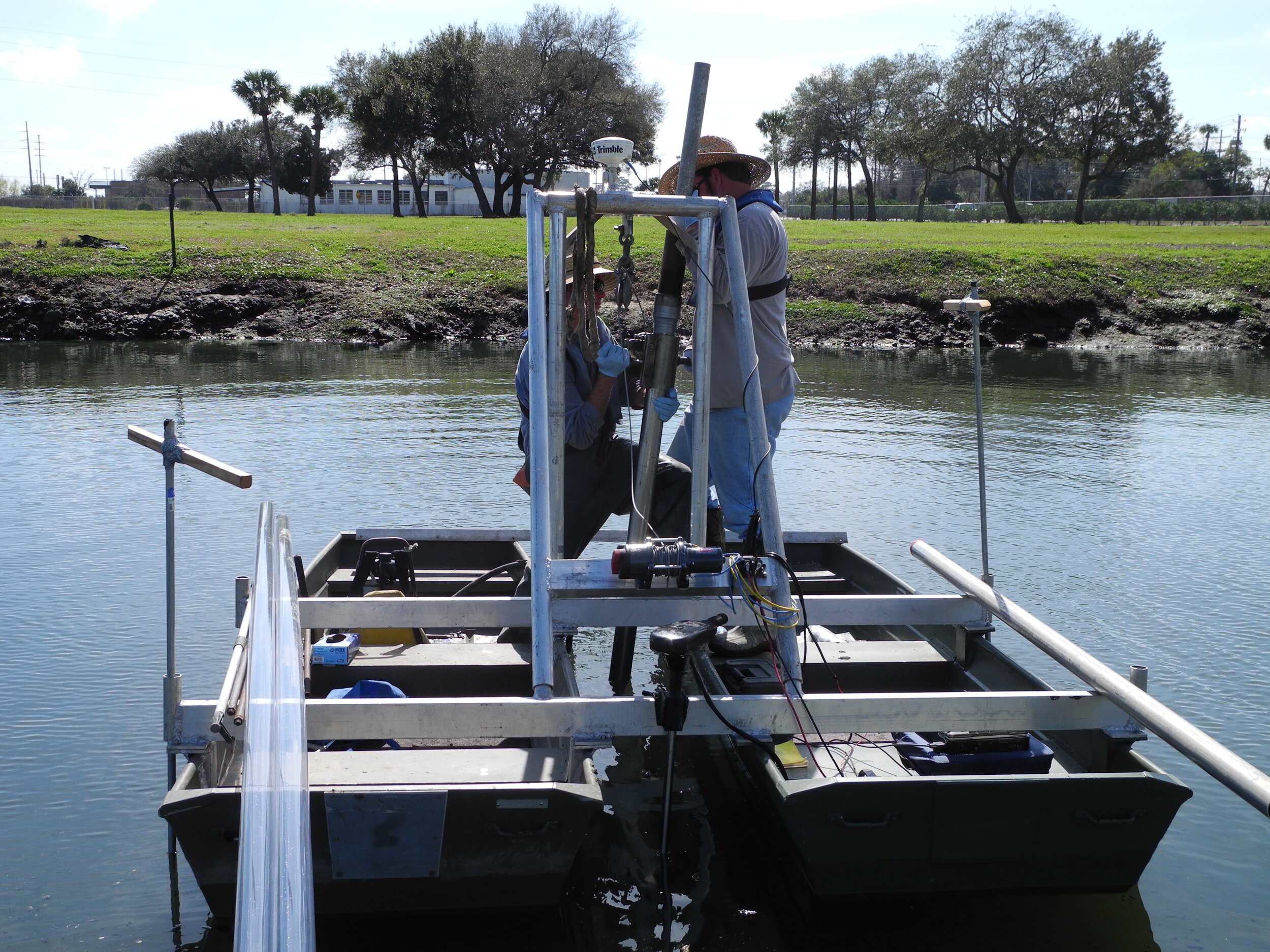
Sampling sediment, Terry Creek (approx. 2003)

Monitoring fish tissue, Back River (approx. 2005)

Lining of the N-Street Ditch, Terry Creek (2010)
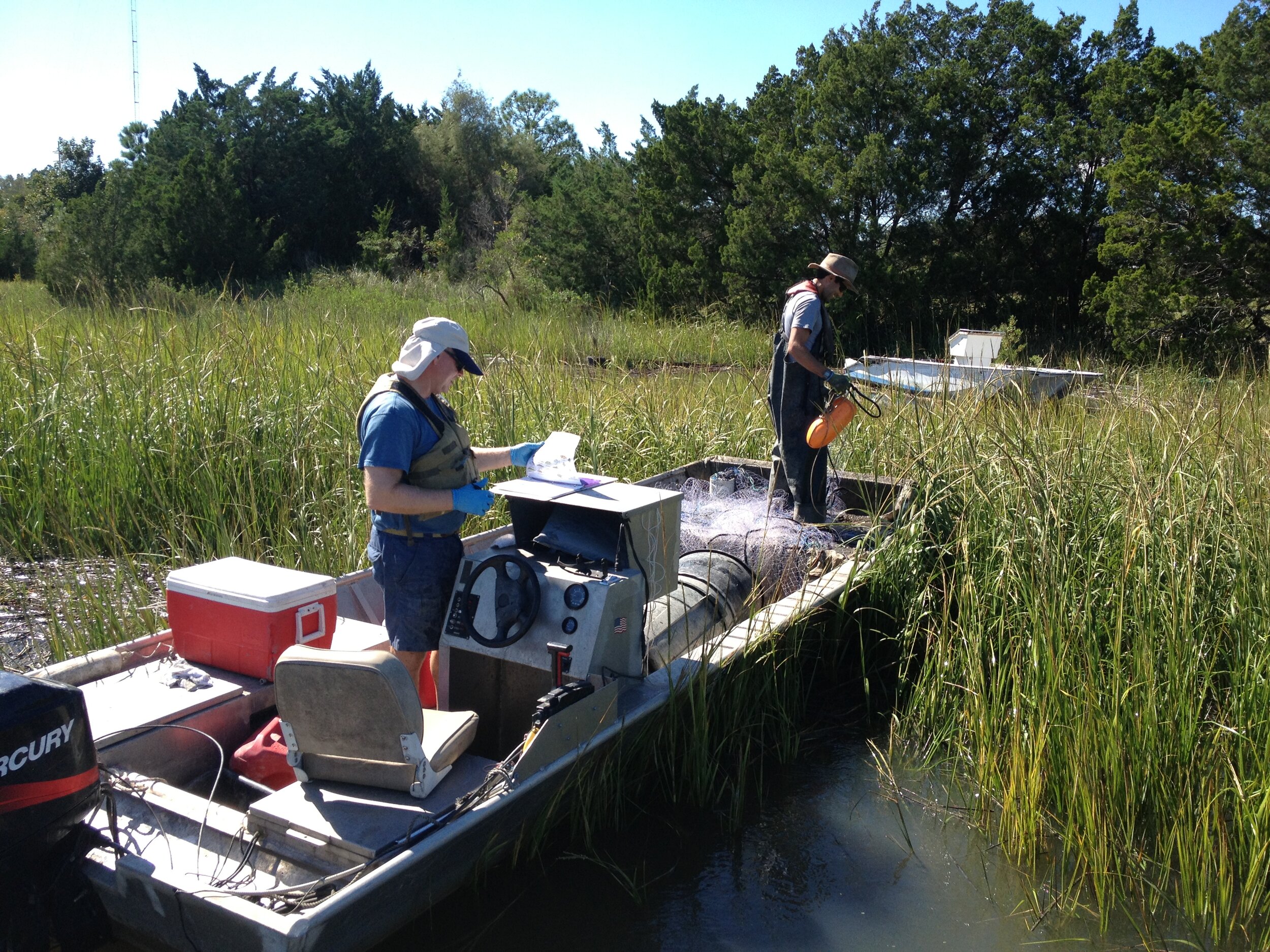
Monitoring fish tissue, Terry Creek (2014)

Collecting soil samples
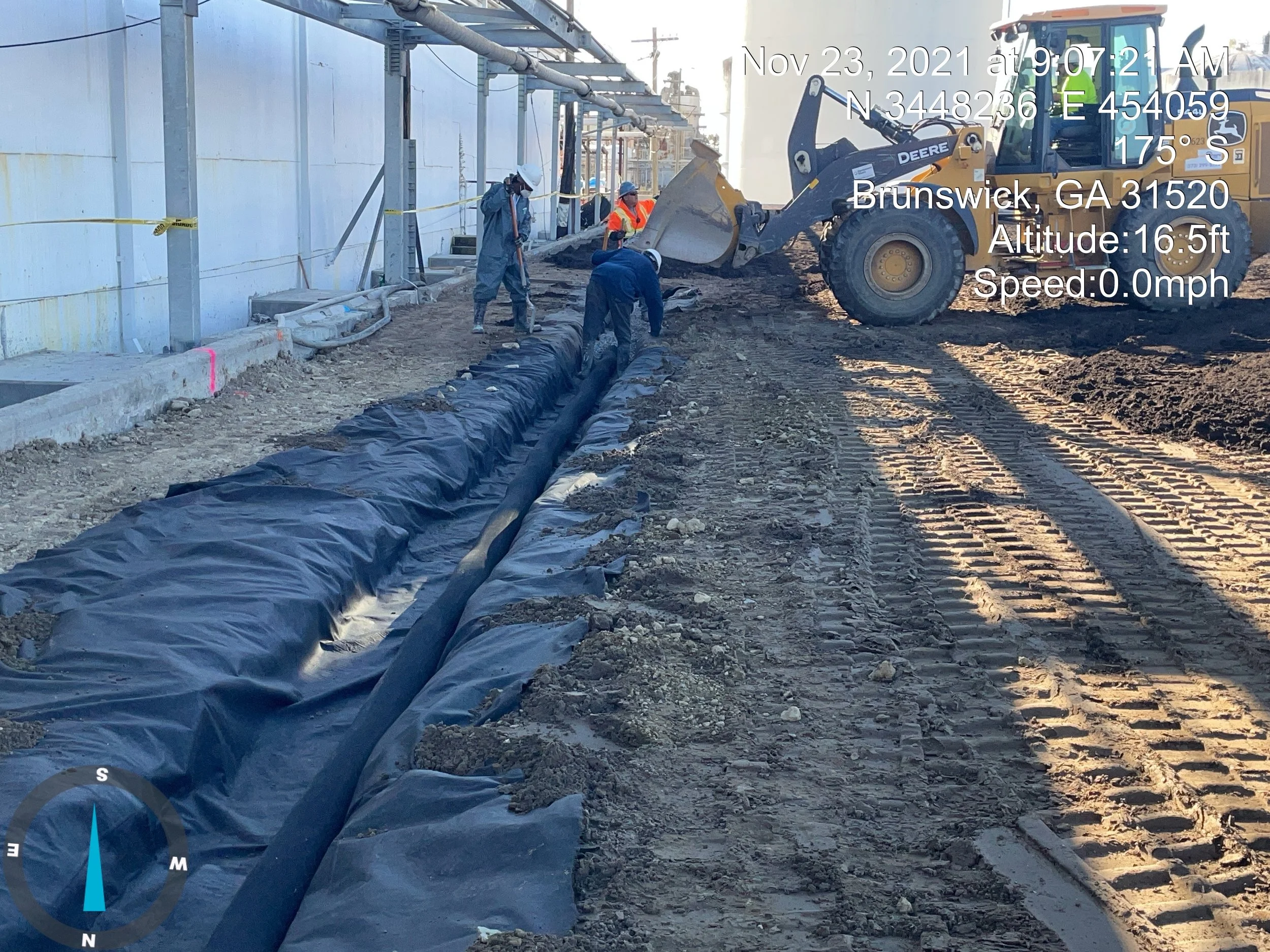
Workers implement in-situ solidification / stabilization (ISS) remedy at the plant (2021)
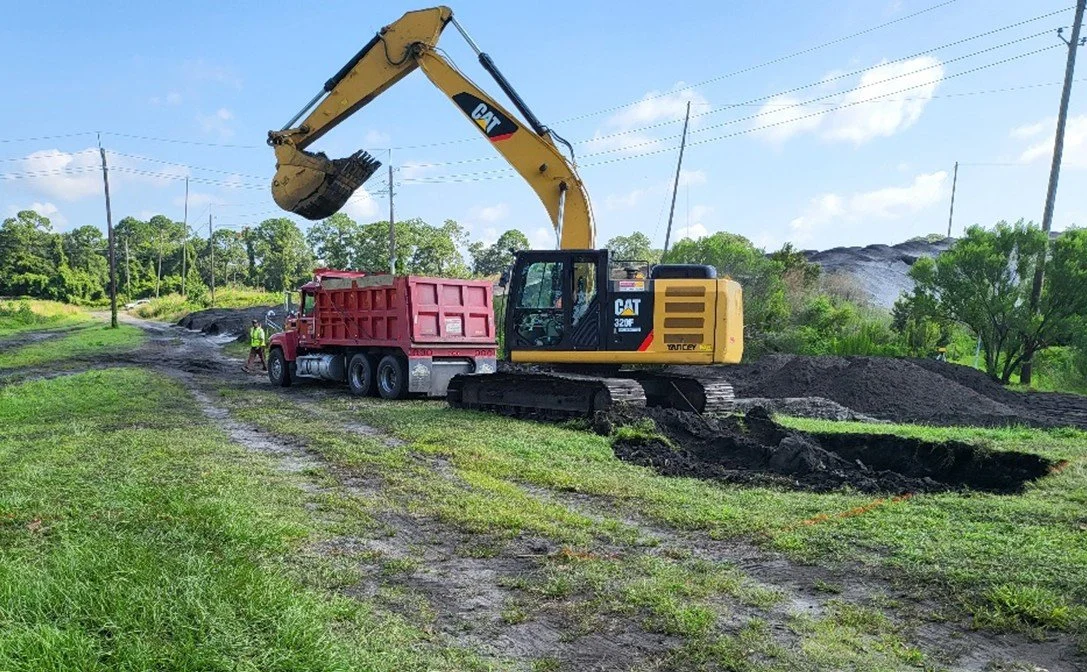
Loading soil for disposal (2021)

Constructing the new outfall channel (2023)

Excavator working on the OU1 remedy (2023)
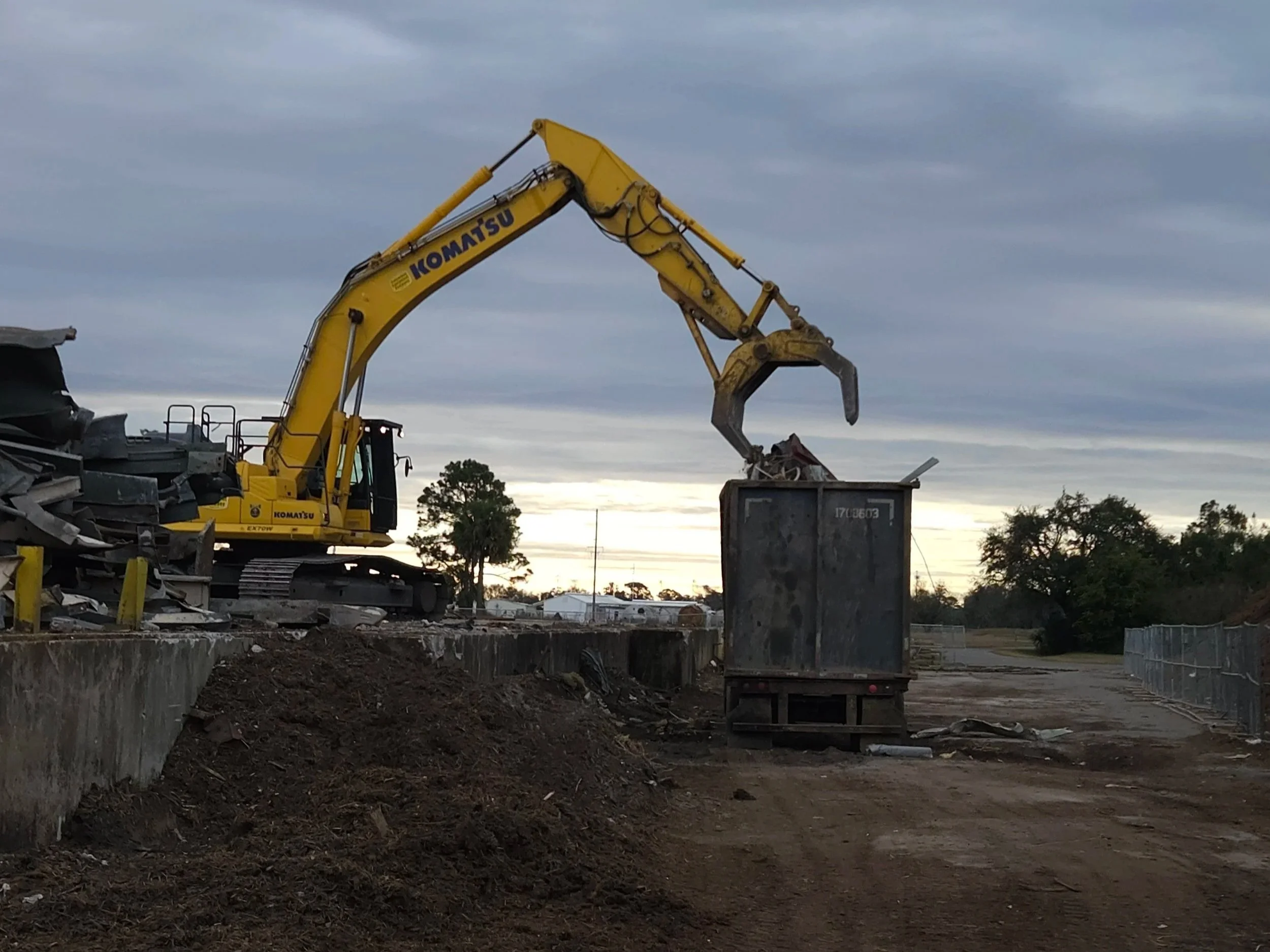
Segregated Scrap metal during plant demolition (2024)
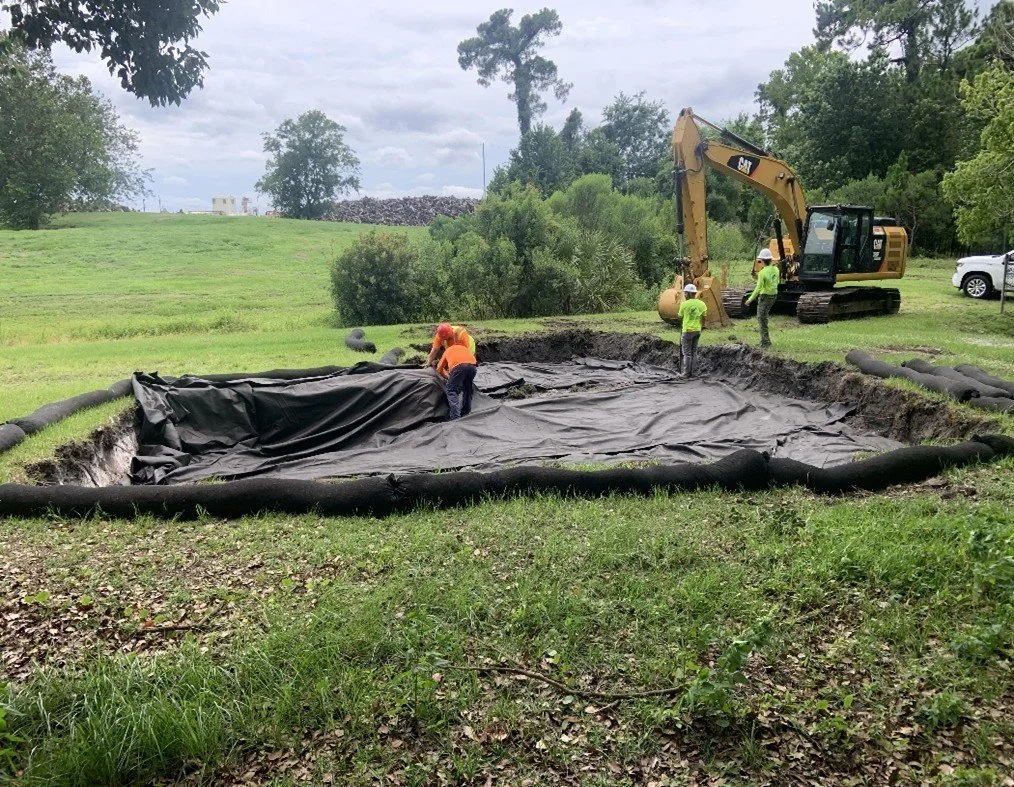
Excavating soil at the plant (2025)
| 1911 | The Brunswick naval stores plant opened, using an innovative new process to extract rosin from pine tree stumps. |
| 1920 | Hercules began operating at the Brunswick facility, producing rosin and turpentine from pine stumps. |
| 1914 - 1944 | The Hercules corporation entered the war efforts, producing smokeless powder during World War I and munitions during World War II at some of its other plants. |
| 1944 | In recognition of its contributions to the Allies’ war effort, the Brunswick facility was awarded the Army-Navy E flag. |
| 1946 | In an effort to combat the boll weevil epidemic taking over the South, Hercules began producing a new insecticide called "toxaphene". Some wastewater from the production of toxaphene production plant at the facility was conveyed through a ditch to Dupree Creek. |
| 1949 | Hercules' chemists continued to develop and refine new products. The workforce grew to nearly 800 people. |
| 1950 | Railroad capacity at the Brunswick facility expanded. Agricultural demand for toxaphene increased. |
| 1951 | The workforce at the Brunswick facility grew to 900 people. |
| 1957 | A new unit began producing rosin used to make synthetic rubber. |
| 1960s | The plant continued to prosper and adopt new technologies (suggested reading: Labors of a Modern Hercules, D. Dyer, 1990). |
| 1970s - 1980s | The U.S. Army Corps of Engineers dredged Dupree and Terry Creeks to maintain waterway access and improve navigation, placing the dredged spoils in three areas along the creeks. |
| 1980 | Production of toxaphene ended after concerns about its environmental risks. |
| 1980s | Hercules began investigating and remediating the site. Wastewater impoundments in the northern portion of the facility were closed and the waste disposed in a secure landfill. A groundwater monitoring well network was installed. |
| 1984 | The |
| 1990s | Hercules continued investigation and remediation at the plant. It removed and remediated an equalization basin and above-ground storage tanks in the northern portion of the facility and conducted biological treatment in the area to prevent contaminants from being carried in groundwater. |
| 1993 | The Environmental Protection Agency (EPA) approved Hercules' remediation plan for the 009 Landfill. |
| 1995 - 2009 | Hercules installed and operated a groundwater pump and treat system to extract and treat groundwater from the northern portion of the facility. |
| Mid-late 1990s | Hercules removed and disposed of soils found under the former toxaphene production plant, down to the groundwater table. |
| 1997 | Hercules began extensive sampling of soil and sediment at the Terry Creek site under EPA oversight. |
| 1999 | Hercules completed construction of the 009 Landfill cap and installed a comprehensive monitoring system. |
| 1999 - 2000 | Hercules removed approximately 30,000 tons of contaminated sediments from the outfall ditch and adjacent creeks and entered into an agreement with EPA to evaluate risks and additional remediation. |
| 2000s | Hercules continued its investigation to identify areas for remediation. Hundreds of acres, above and below ground, were sampled and studied extensively. |
| 2001 | Fish tissue sampling conducted by the Georgia Environmental Protection Division (EPD) showed improvement in fish tissue quality after Hercules’ remediation of the outfall ditch and creeks. |
| 2005 | Hercules conducted follow-up fish tissue sampling, confirming continued improvements in fish tissue quality. |
| 2005 | Hercules begins leasing a portion of the 009 Landfill cap to the neighboring auto dealer for use as a part of its car lot adding an asphalt cap on top of the exisitng landfill cap. |
| 2007 | The state relaxed fish consumption advisories after remediation activities in the outfall ditch and the adjacent creeks resulted in improvements. |
| 2008 - 2010 | Hercules remediated the former toxaphene production plant and the N-Street ditch: demolishing the plant, excavating 47,000 tons of soil from the plant and the ditch, backfilling the plant area, and relining the ditch. |
| 2010 | Pinova purchased the operational portions of the Brunswick facility. |
| 2010s | Hercules further investigated groundwater conditions, assessed potential risks, and conducted additional remediation work. |
| 2012 | Hercules investigated the outfall ditch to design the next phase of remediation. |
| 2014 | The Wildlife Habitat Council (WHC, now Tandem Global) certified the wildflower field planted on a portion of the Brunswick facility. |
| 2015 | WHC certified a portion of the 009 Landfill for its enhanced habitat for birds and reptiles. |
| 2015 | EPA issued a proposed plan to remediate the outfall ditch at the Terry Creek site following more than seven years of investigation, planning and public meetings. |
| 2015 | Hercules installed and later upgraded a shallow groundwater remediation system on-site. |
| 2017 | EPA selected the final interim remedy for the outfall ditch to include capping the ditch and relocating the outfall. EPD concurred with the remedy selection. |
| 2018 | The state relaxed fish consumption advisories again based on improvement in fish tissue sampling resulting from Hercules’ remediation and monitoring. |
| 2018 | Hercules committed through a consent decree to implement EPA's selected interim remedy and to reimburse EPA for all past and future costs. |
| 2019 | Hercules remediated areas of toxaphene in soil and around the former toxaphene tank farm storage area. |
| November 2019 | A federal court in Georgia approved the consent decree for the interim remedy finding the agreement fair, reasonable, and in the public interest. |
| 2020 | Hercules expanded forest habitat certified by WHC and continues to monitor nesting birds, pollinators, mammals, and forest habitat while maintaining the wildflower field. |
| 2020 | Hercules added more grassland habitat to WHC program while monitoring birds, reptiles, amphibians, and pollinators. |
| 2020 | EPD renewed the Brunswick facility's hazardous waste permit, for 10 years, recognizing that hazardous wastes are no longer being stored at the facility, however the permit includes a corrective action plan for remedial measures to be implemented. |
| 2021 | Hercules completed the design of the EPA-selected interim remedy for the outfall ditch, capping the existing ditch (where residual contamination remained) and rerouting the water flow to a new concrete-lined channel. |
| 2021 | Hercules completed remediation of contaminated soils at key locations around the facility. Vapor intrusion mitigation systems were installed at various on-site buildings. EPD approved Hercules’ plan for source area groundwater treatment; and Hercules proposed additional groundwater treatment plans for the eastern edges of the facility. |
| 2022 | Hercules begins construction of the rerouted outfall ditch in late 2022. |
| 2022 | Hercules began treating source area shallow groundwater within process areas. |
| 2022 | Hercules installed additional groundwater monitoring wells at the 009 Landfill. |
| June 2022 | Hercules installed groundwater treatment wells and groundwater treatment begins at the southeastern edge of the facility. |
| December 2022 | EPD issued an amended hazardous waste permit incorporating planned remedial actions from the August 2022 Corrective Action Plan. |
| April 2023 | A fire at Pinova’s terpene resins plant causes temporary shutdown of the Brunswick facility. |
| June 2023 | Pinova announced that the manufacturing facility will permanently close. Remediation work by Hercules and Pinova continued. |
| 2023 | Hercules installed and activated groundwater treatment wells at the northeast edge of the facility. |
| January 2024 | Hercules installed and activated groundwater treatment wells at the northeast edge of the facility. |
| 2024 | Groundwater treatment systems near Highway 17 showed a reduction in target chemicals of more than 90%. Hercules voluntarily expanded one of the treatment systems to broaden the positive impact. |
| February 2024 | Pinova led demolition of all former plant-related infrastructure to prepare the site for further remediation and sale, redevelopment, and productive reuse. |
| December 2024 | Hercules installed additional treatment wells, expanding groundwater treatment along the southeastern edge of the facility. |
| March 2025 | Demolition activities across both Hercules' and Pinova's properties are completed. |
| June 2025 | Environmental covenants are put in place requiring any future development to adhere to environmental precautions and use restrictions. |
| July 2025 | With the final capping of the former outfall ditch, the OU1 remedial action is complete. |
| July 2025 | Over 2,000 tons of impacted soil from the Marsh Wood Storage Yard were removed in conjunction with the OU1 project completion. |
| 2026 | The EPA completed its sixth Five-Year Review for 009 Landfill. EPA and Hercules continued to monitor the 009 Landfill remedy, in place since the 1990s, to ensure its continued effectiveness. |
| 2026 | The Brunswick Plant and 009 Landfill were designated as Certified Gold, signifying leadership among the more than 600 WHC (Wildlife Habitat Council) Certification programs. |
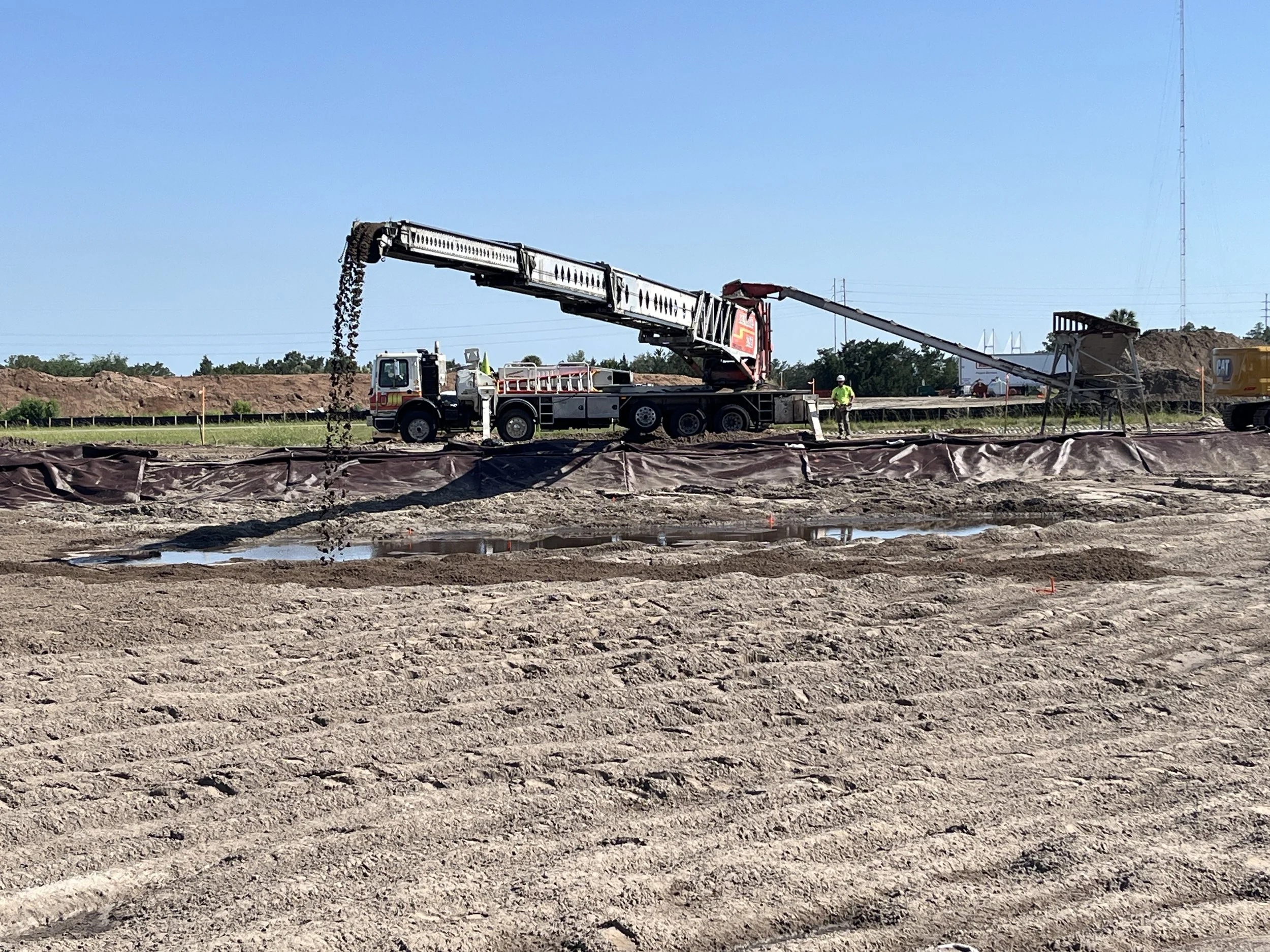
Capping OU1 with a telebelt system to create the sand cap (2025)
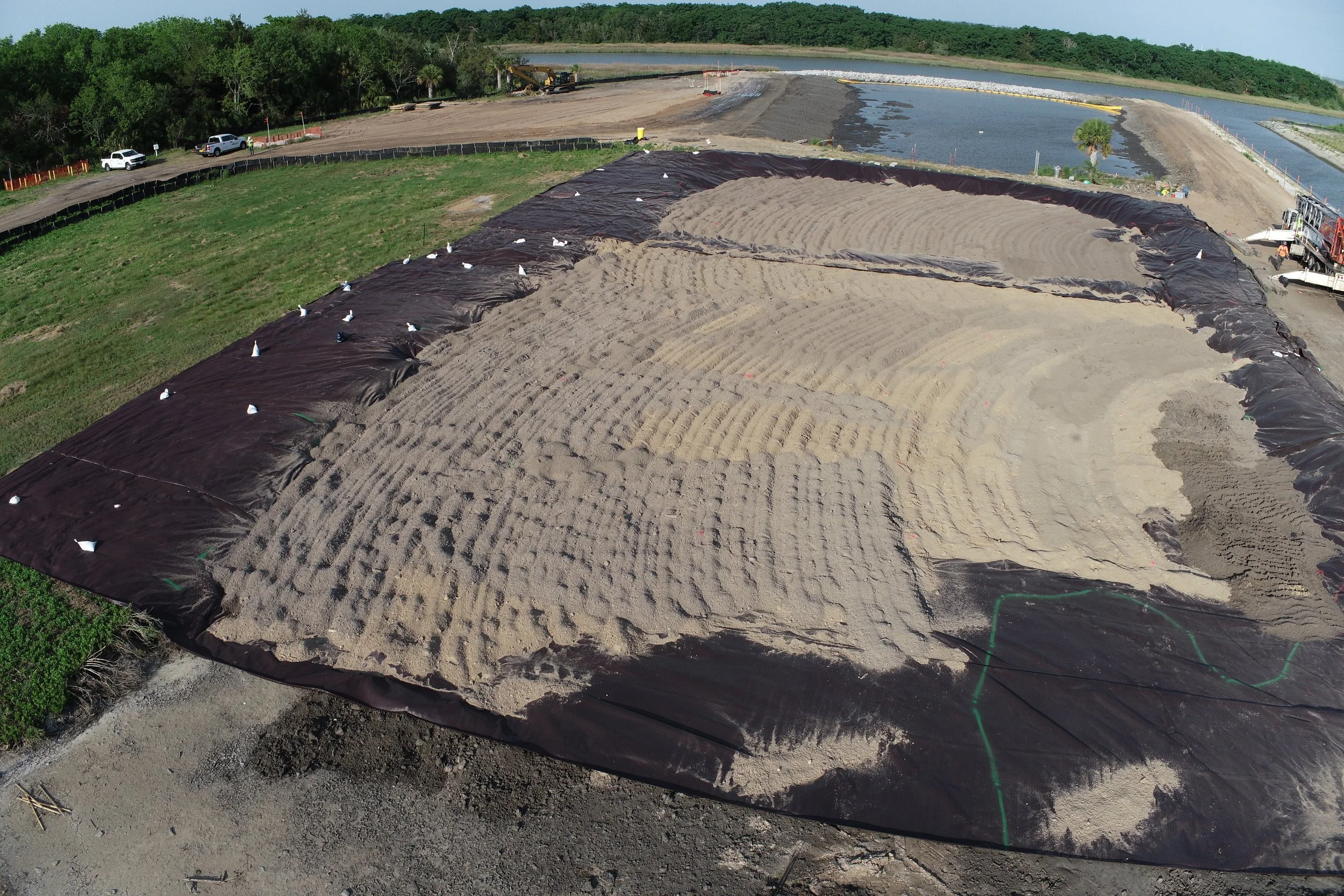
Lining of outfall ditch before sand and soil placement (2025)
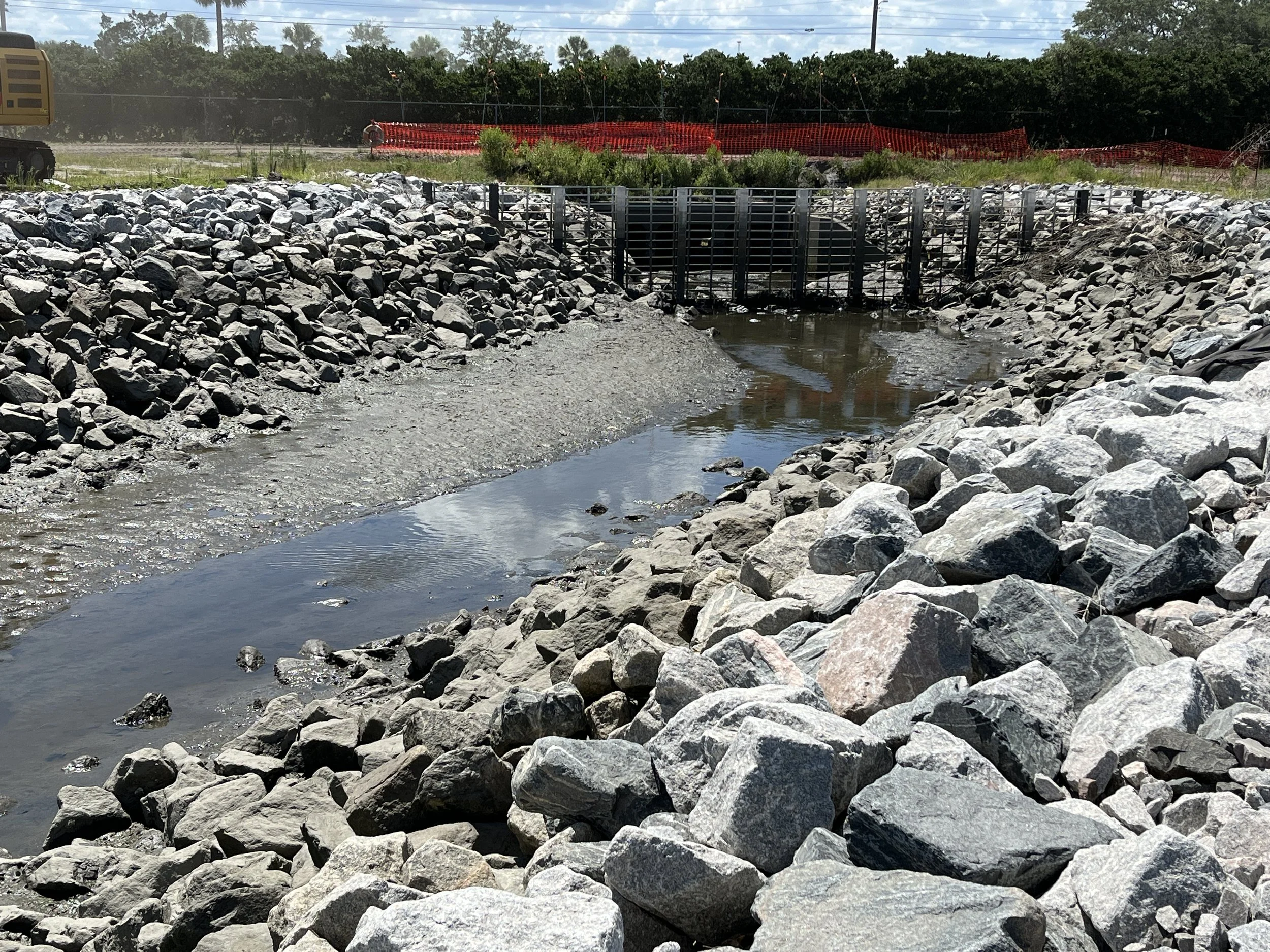
Gate installed to prevent manatees from entering the culvert (2025)
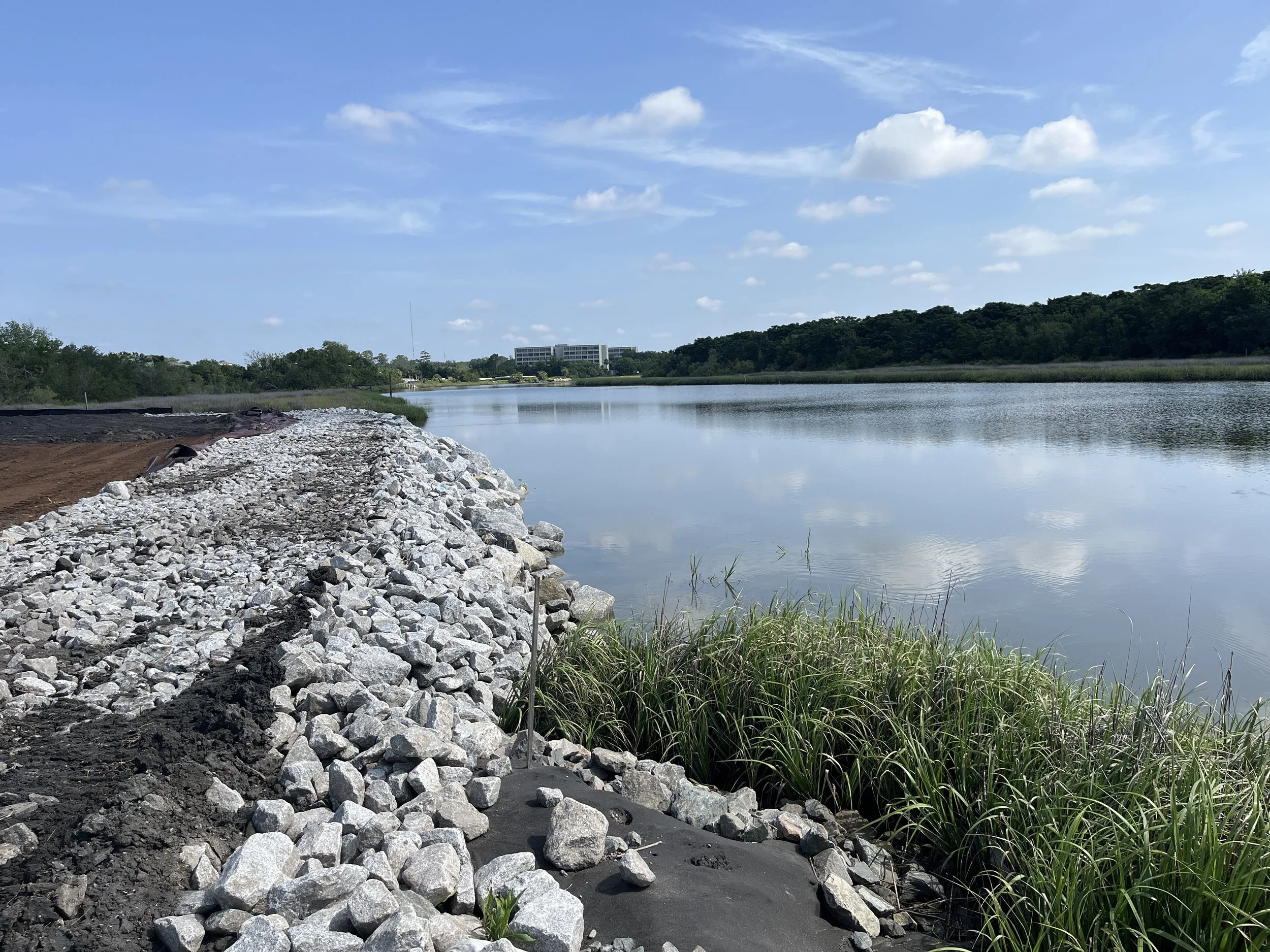
Rock dam installed along Dupree Creek (2025)
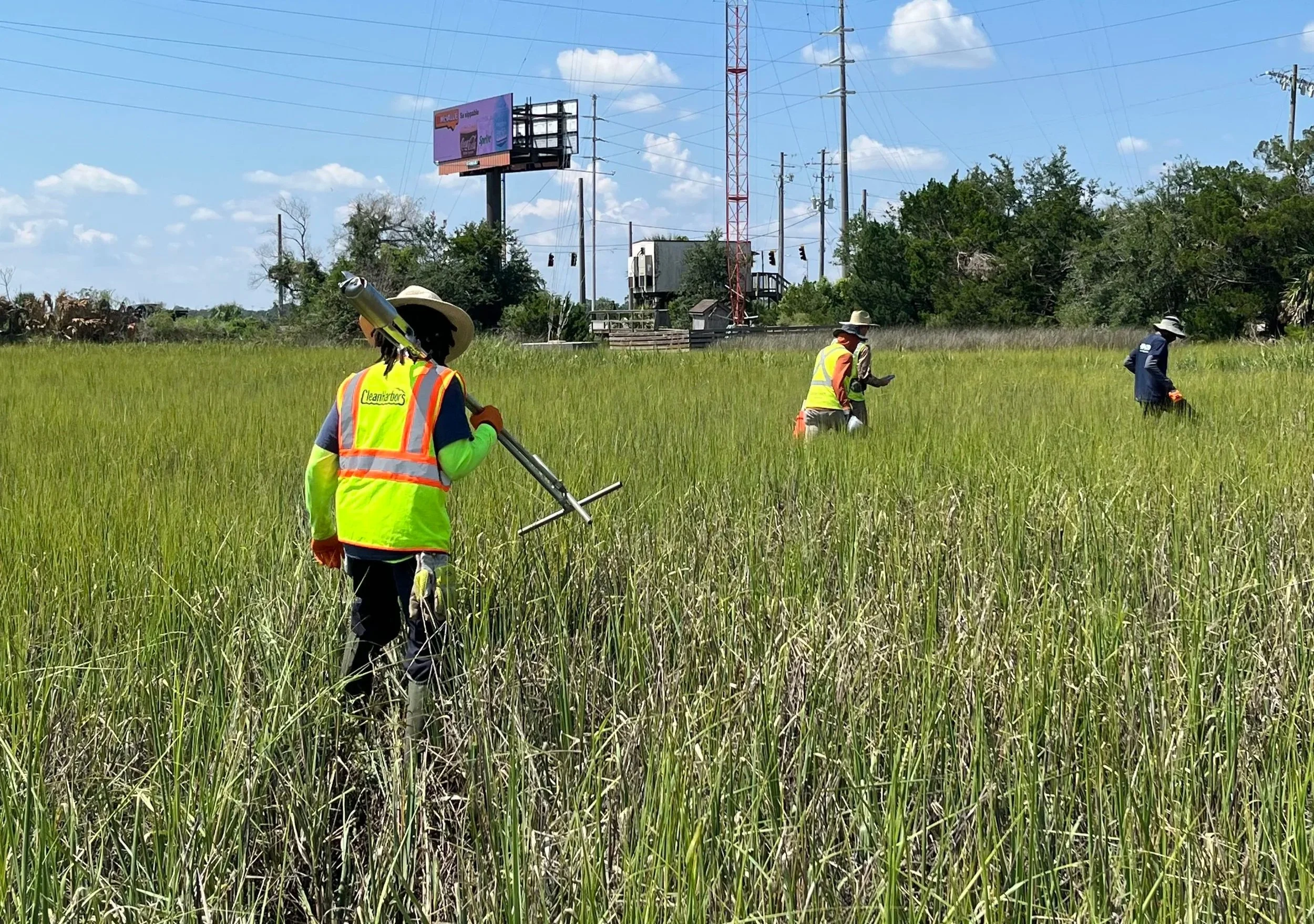
Investigation of marsh areas near the site (2025)
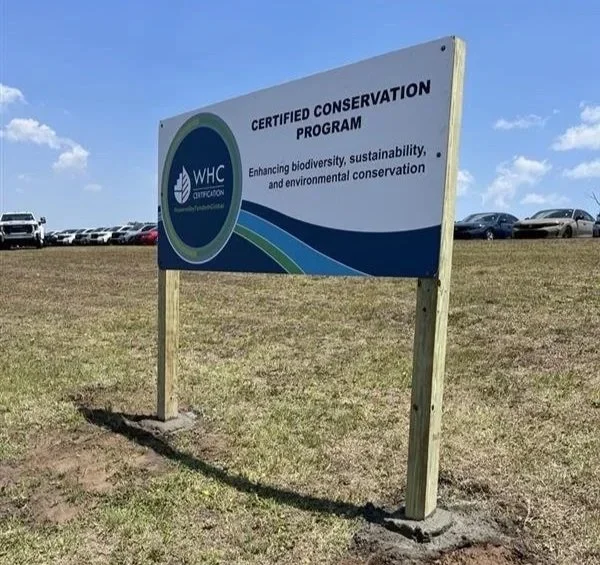
Marker designating the site’s WHC Gold Certification (2026)